
The people behind the pages
Who writes the Qadrimel accounting guides?
Qadrimel is an editorial resource about cloud accounting for businesses in South Korea, published from qadrimel.digital. We do not sell accounting software and we do not operate a ledger service. Our job is to describe workflows, compliance touchpoints, and plan differences in plain English so owners and staff can talk with accountants on equal terms.
Maintained in Seoul, read by owners, office managers and junior finance staff across Korea.
What this site is
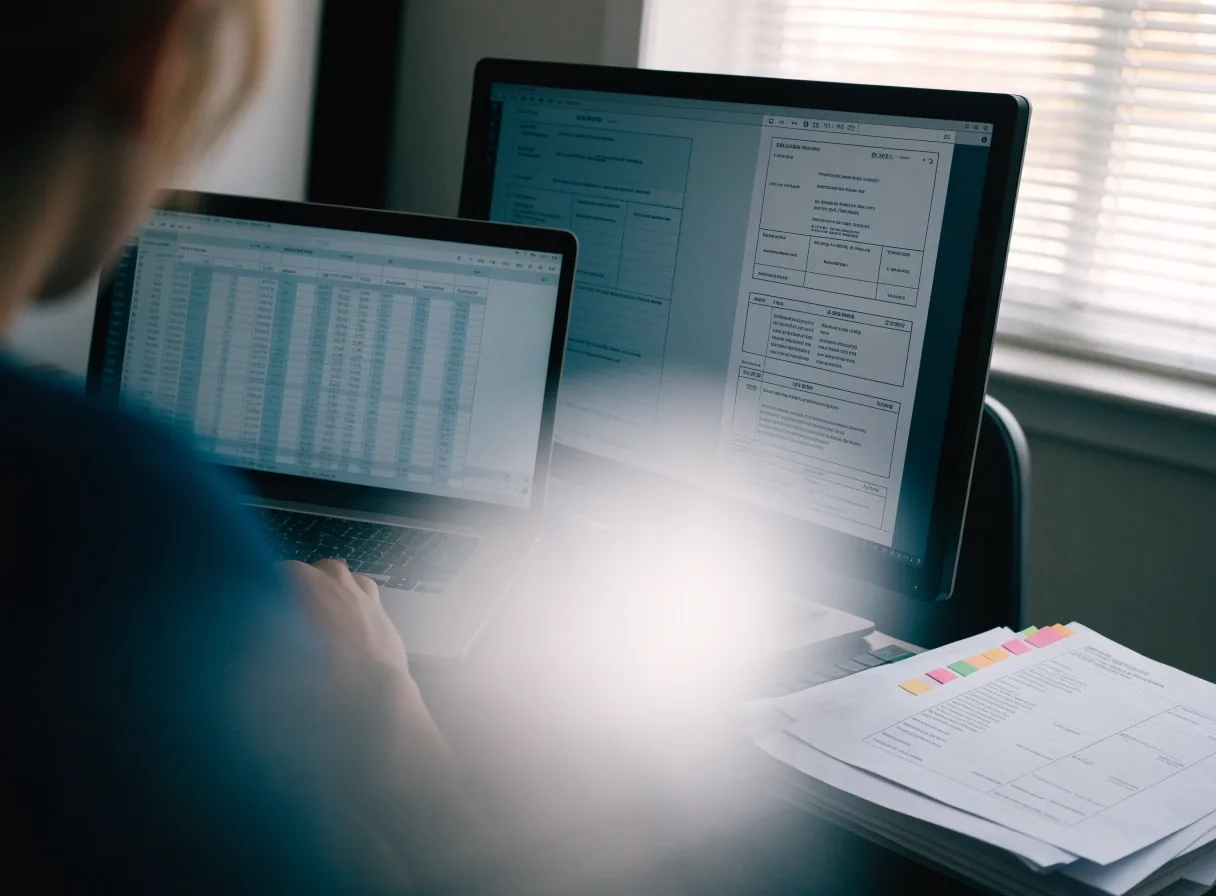
Qadrimel explains cloud accounting, cloud ERP, general ledger habits, bank reconciliation, VAT return steps, e-invoicing for tax invoices, OCR capture, cash flow, and month-end close. Pages stay close to operations: what to click, what to check, what to file.
Readers include shop owners, office managers, and junior finance staff working with Korean documents. Everything visible is part of one business and one domain.
The topics in the archive
- Cloud accounting workflows
- Cloud ERP for SMEs
- General ledger habits
- Bank reconciliation
- VAT return steps
- E-invoicing and tax invoices
- OCR capture
- Cash flow and month-end close
How a page gets written
How guidance is produced
Topics start from real audience questions — such as how local Korean platforms differ from global tools like QuickBooks. A writer drafts the workflow from product descriptions and public market coverage, staying inside verified facts. A second reader checks that we did not add prices, integrations, or uptime claims. Only then does a page get published or updated.
-
01
Start from a real question
Every topic begins with something a reader asked — a quirk of Korean filing, a comparison somebody wants to see in plain English, a workflow step that keeps tripping up teams.
-
02
Draft from verifiable sources
A writer works from product descriptions and public market coverage, and stays inside verified facts. If a number, integration or price cannot be confirmed, it does not go onto the page.
-
03
Second read before publishing
A second reader checks that nothing extra was slipped in — no prices, no claimed integrations, no uptime or performance figures nobody verified. Only then does a page go live or get updated.
The subjects on the page
The entities we reference
Facts about each subject stay within the briefing. We do not rank them as winners or add enterprise logos and badges. The point is to show the shapes of software, so a reader can ask their accountant the right question.
Mentioning a product is a description, not an endorsement. If a product's description changes, we revise the section that mentions it — see how below.
The test we describe
How experienced users judge quality
Experienced users look past menus and test the links between documents. They trace a tax invoice to its ledger posting and then to the VAT summary. They check how bank lines match, how exceptions are flagged, and how a period locks. They also look at roles and audit trails.
That document-to-report path is the quality test we describe on every comparison page. If a workflow cannot be traced from source document through posting to report, it is worth asking about it before you commit to any tool.
The document-to-report path
-
Source document
A tax invoice, mobile receipt or bank statement — captured once, in a form the ledger accepts.
-
Ledger posting
The line lands where it belongs; exceptions are flagged instead of silently accepted.
-
Report and period close
VAT summary, cash flow and month-end close draw on the same path — and the period can lock.

What we do not do
How the site draws its edges
We do not provide tax advice, audit services, or payroll filing for your company. We do not promise automation will remove review, and we avoid panic language about security or penalties. Demos and next steps on this site are exploratory: review a workflow, read a comparison, request access from a vendor, talk to your team.
For filing decisions, speak with a licensed professional in Korea. Qadrimel helps you ask better questions; your accountant helps you close the books.
Operating notes
- Small editorial operation. Contributors are based in Seoul and work with English-language drafts about Korean business finance.
- Documents we review. Reviews consider documents commonly used by SMEs — from KRW invoices to mobile receipts.
- Where updates go first. Updates favor pages where rules or product descriptions change.
- Corrections. Reader corrections are logged and checked before the wording is revised.
Revisions
Updates and corrections habit
When a product description changes, we revise the affected section and keep the wording factual. Older phrasing is removed rather than left to confuse readers. If you spot an error in how we described a workflow or entity, use the Contact page.
Include the page address and the sentence that needs review. We log the correction and answer once the check is done.
Boundaries
Scope and limits
This site covers general workflows and comparisons, not your company ledger. Figures, taxes due, and filing dates depend on your records and status. Keep your source documents, bank statements, and invoice files in order.
Qadrimel is one editorial resource; it does not replace the professional who signs off on your filing.

Qadrimel is published from qadrimel.digital.
26 Teheran-ro, Gangnam-gu, Seoul 06236, South Korea · [email protected] · +82 2-543-8327 · Mon–Fri, 9:00 AM – 6:00 PM